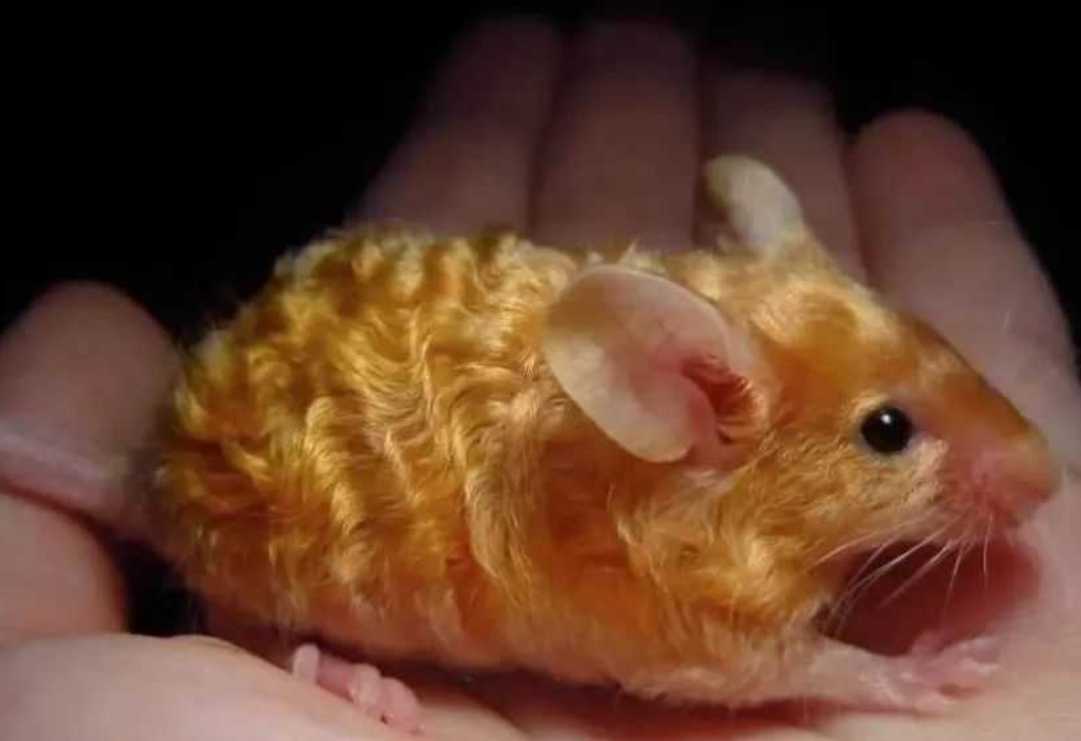
By modifying nine specific genes in mice, scientists have managed to transform their black, short, and straight hair into long, fluffy, blonde - colored big waves. For instance, the absence of the Mc1r gene in 1993 was found to turn mice's hair from black to blonde, and the lack of TGF - alpha led to curly hair. Mutations in genes like krt27 and krt25 in 2005 and 2011, respectively, caused natural curls and woolly curls, while the absence of Fam83g in 2013 made the hair fluffy. In 2015, the lack of Tgm3 was associated with woolly - curled hair. Additionally, to mimic the appearance of mammoths, the researchers knocked out the Fabp2 gene to increase subcutaneous fat deposition in mice.
This research not only deepens our understanding of the genetic mechanisms underlying hair development but also holds potential implications for various fields, such as genetics and evolutionary biology. The "blonde" big - wave rats serve as a vivid example of how genetic engineering can reshape an organism's physical characteristics, offering new insights into the complex interplay between genes and traits.