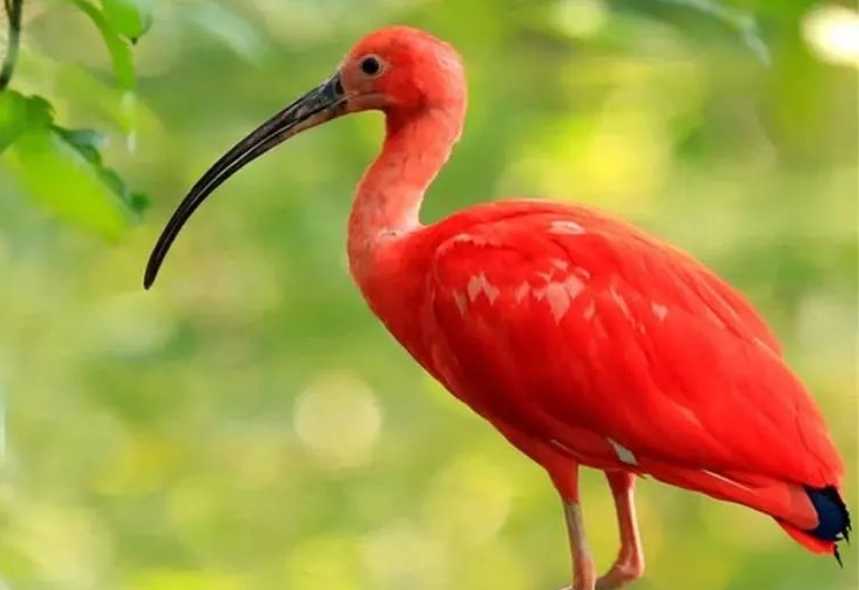
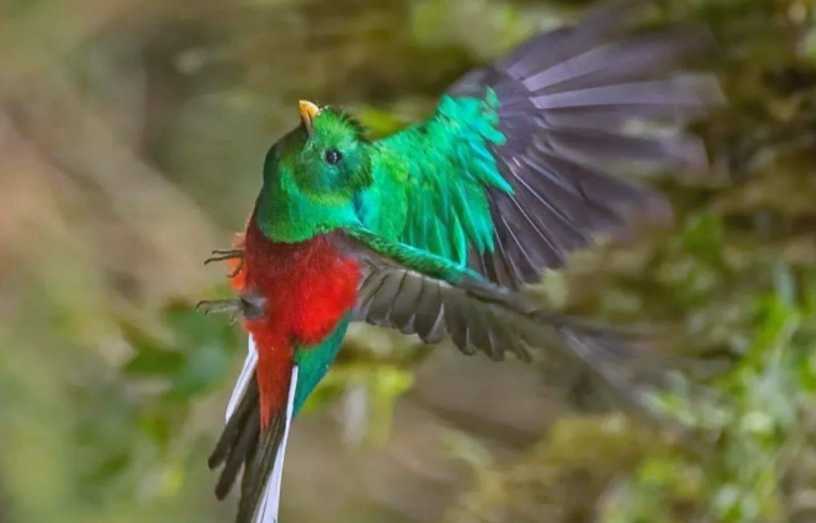
The American flamingo’s vermilion plumage isn’t just a visual marvel; it’s a biological masterpiece. The color stems from carotenoid pigments in its diet of brine shrimp and algae, which accumulate to dye feathers, skin, and even leg scales. "It’s like wearing a living flame," says ornithologist Dr. Marisol Rojas. Only the black-tipped bill and wingtips break the scarlet monotony, forming a striking contrast as the bird takes flight—revealing white underwings that flash like embers against the sky.
In Trinidad’s Caroni Swamp, thousands of flamingos gather, turning the landscape into a living red tapestry. "When they rise together, the air seems to bleed scarlet," marvels wildlife photographer Alexei Chang. This mass display serves dual purposes: social bonding and predator intimidation, as the collective hue creates a dazzling optical illusion.
Beyond its beauty, the flamingo plays a critical role in wetland ecosystems, filtering water as it feeds. Its Latin name, Phoenicopterus ("phoenix-wing"), nods to its mythical aura—ancient cultures likened its color to the legendary firebird. Today, conservationists monitor coastal habitats threatened by pollution, ensuring this living scarlet icon continues to grace the Americas’ shores. "It’s not just a bird; it’s a walking masterpiece," notes ecologist Dr. Elena Perez. "In a world of muted tones, the American flamingo is nature’s boldest statement—a reminder that sometimes, evolution chooses to paint with the brightest brush."