A Living Flame in the Forest: Size and Color Adaptations
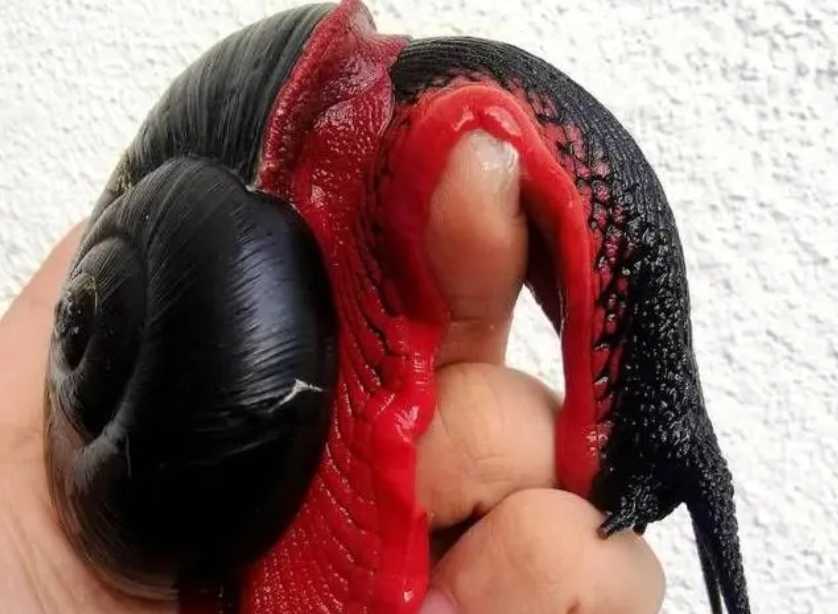
Growing up to 10 centimeters in diameter, the fire snail towers over its smaller, muted-colored relatives. Its shell, composed of calcium carbonate reinforced with iron sulfides, shimmers in the dappled forest light, creating a striking contrast against the lush greenery. While the exact function of its fiery palette remains debated, scientists speculate it may serve as aposematic coloration, warning predators of its unpalatability, or as a means to regulate body temperature in the humid tropical environment. The snail’s mantle, covered in tiny, scale-like structures, adds to its unique appearance, giving it a texture unlike any other terrestrial snail.
Ecological Significance and Conservation Challenges
Endemic to the rainforests of Malaysia and Thailand, the fire snail thrives in moist, forested habitats, feeding on decaying plant matter and fungi. Its slow movement and specialized habitat make it vulnerable to deforestation and habitat fragmentation, with logging and agriculture threatening its limited range. Discovered relatively recently by scientists, much of its biology remains a mystery, including its reproductive habits and lifespan. Conservationists have pushed for habitat protection, recognizing the snail as a flagship species for the biodiversity of the Malay Peninsula. As climate change and human activity reshape its home, the fire snail serves as a vivid reminder of the urgent need to preserve Earth’s unique endemic species—creatures that prove nature’s palette is as bold as it is endangered.